15 Places Where Medical Assistants Can Work in Orlando 2026
Dec 18, 2025
Medical assistants in Orlando have more workplace options than ever. From hospitals to telehealth, your skills can fit in many settings. At Florida Health Care Academy Orlando, our accelerated medical assistant program prepares you for all of them.
Table of Contents
- Where do medical assistants work in 2026
- 1. Hospitals and emergency departments
- 2. Private practices and physician offices
- 3. Urgent care and ambulatory clinics
- 4. Long-term care and rehabilitation centers
- 5. Outpatient surgical centers
- 6. Specialty clinics (dermatology, cardiology, etc.)
- 7. Community health organizations
- 8. Public health departments
- 9. Home healthcare agencies
- 10. Correctional facilities
- 11. Military and veterans' health services
- 12. Occupational health settings
- 13. Academic and research institutions
- 14. Insurance and medical billing offices
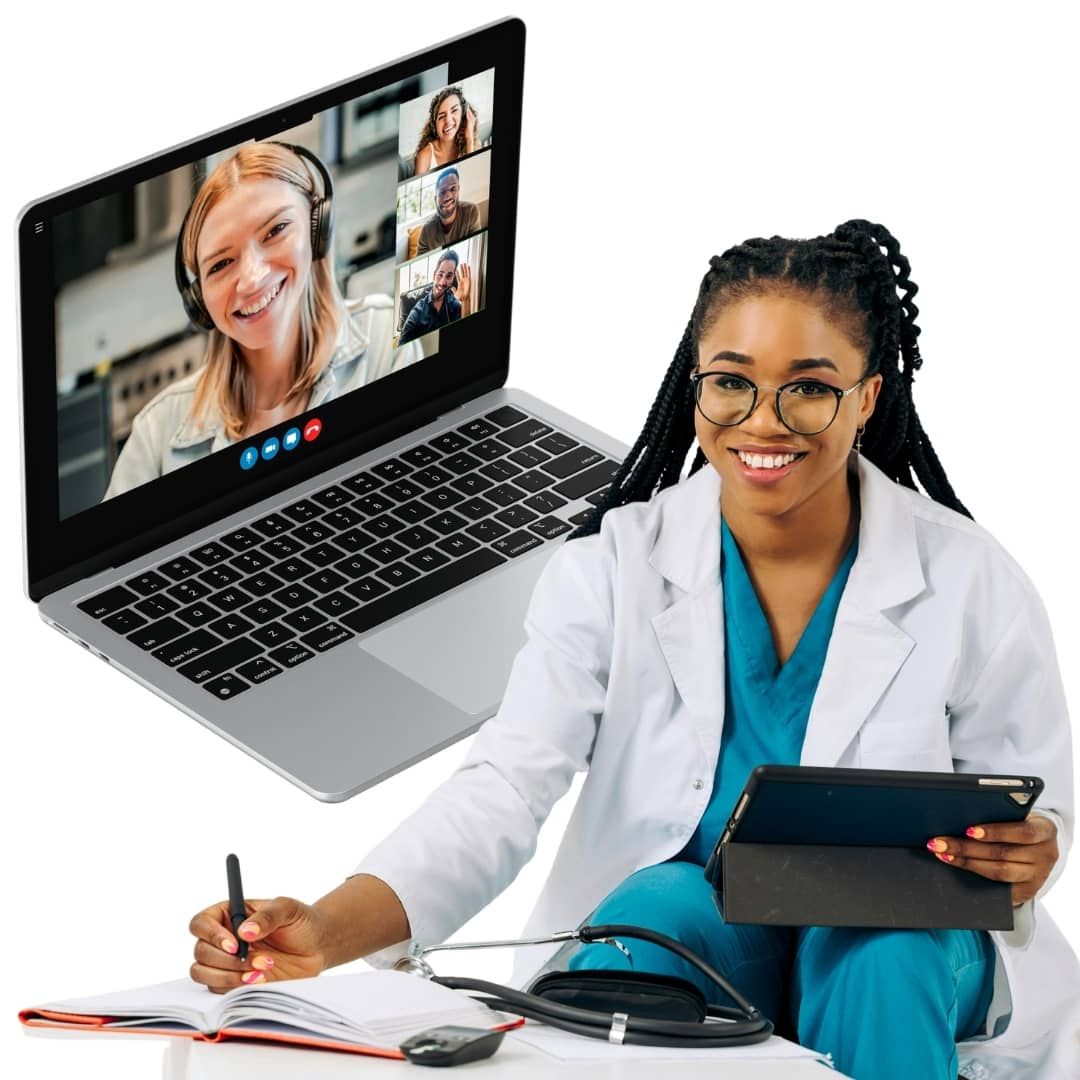
- 15. Telehealth support centers
- Places where medical assistants can work in Orlando 2026 FAQs
- Start working as a medical assistant in one of Orlando’s top healthcare settings in 2026
Where do medical assistants work in 2026
Medical assistants are in high demand across various healthcare environments. What makes this role so versatile is your ability to adapt your clinical and administrative skills to different workflows, from fast-paced ERs to community-based clinics.
Employers in Orlando are actively hiring trained MAs who can multitask, communicate well, and contribute to smooth patient care.
1. Hospitals and emergency departments
Hospitals are among the top employers for medical assistants, especially in emergency units. If you’re energized by fast-paced environments, this is where you’ll thrive.
What you'll experience:
- High patient flow and urgent care situations.
- Hands-on support for doctors and nurses in critical procedures.
- Rotating shifts, including nights, weekends, and holidays.
- Direct exposure to a wide range of medical conditions.
- Strong teamwork and time management are required.
2. Private practices and physician offices
For medical assistants who value routine and consistency, working in a private office offers a balanced day-to-day experience.
Your role in this setting:
- Help patients with check-ins, vitals, and follow-ups.
- Support one or two providers regularly.
- Perform administrative tasks like scheduling and records.
- Build long-term connections with repeat patients.
- Enjoy stable, weekday-oriented schedules.

3. Urgent care and ambulatory clinics
Urgent care centers are designed for quick service. Medical assistants here are multitaskers who think on their feet and manage a wide variety of patient needs.
What to expect on the job:
- Treat non-life-threatening conditions with urgency.
- Handle frequent patient intake and discharge.
- Assist with minor procedures, tests, and wound care.
- Juggle clinical support and front-desk duties.
- Work efficiently under pressure.
4. Long-term care and rehabilitation centers
These settings offer a slower, more personal approach to care. If you value long-term relationships with patients, this is an ideal option.
How you make a difference:
- Monitor progress for patients in recovery or chronic care.
- Assist with mobility support and therapy sessions.
- Provide emotional and physical support over time.
- Help with medication reminders and daily routines.
- Work closely with nursing teams and families.
5. Outpatient surgical centers
Surgeries in these centers are scheduled and completed on the same day. Medical assistants help keep the process smooth from prep to recovery.
Your responsibilities may include:
- Preparing exam rooms and surgical tools.
- Supporting physicians with pre-op and post-op tasks.
- Ensuring equipment is sterile and ready.
- Monitoring patients during short-term recovery.
- Coordinating with nurses and surgical teams.
6. Specialty clinics (dermatology, cardiology, etc.)
Every specialty has its rhythm, and the medical assistant role must adapt accordingly. Whether it’s skin care or heart health, you’ll support procedures unique to each field.
Your daily impact:
- Prep patients for specialized exams and treatments.
- Assist with procedures like skin biopsies or EKGs.
- Maintain equipment and manage specific supplies.
- Gain valuable exposure to niche healthcare areas.
7. Community health organizations
Medical assistants in these organizations often serve underrepresented populations. You’ll balance clinical care with education and outreach.
What you’ll contribute:
- Support in wellness visits, screenings, and routine care.
- Assist with translating or simplifying health information.
- Help patients understand treatments and follow-ups.
- Manage appointments and outreach in underserved areas.
- Be part of a mission-driven healthcare team.
8. Public health departments
These government-funded centers focus on preventive care for the broader community. Your work helps improve public health outcomes at scale.
What makes it unique:
- Assist with vaccination drives and testing clinics.
- Collect data and maintain public health records.
- Educate patients during wellness screenings.
- Collaborate with nurses and health educators.
- Participate in state or city health initiatives.
9. Home healthcare agencies
If you enjoy providing one-on-one care, this path allows you to work in patients’ homes, offering essential support in real-life environments.
Your role during visits:
- Assist licensed nurses during home checkups.
- Monitor patients with chronic conditions.
- Help with recovery care and medication reminders.
- Provide companionship and emotional support.
- Adapt care depending on each household’s needs.
10. Correctional facilities
While not for everyone, these environments offer meaningful work with limited resources, testing your creativity and resilience.
What you’ll handle:
- Assist with patient intake and chronic care routines.
- Transcribe medical notes and update health records.
- Support emergency care inside the facility.
- Coordinate care under strict safety protocols.
- Develop skills in managing preventive care under constraints.
11. Military and veterans' health services
Whether on a base or in a VA clinic, you’ll care for service members and veterans, often with complex medical histories.
Your contributions include:
- Support physical exams, screenings, and treatments.
- Assist in rehabilitation or trauma recovery.
- Document patient histories with accuracy.
- Work with multi-disciplinary teams.
- Serve those who have served.
12. Occupational health settings
Here, you’ll help monitor employee health and ensure workplace safety standards are met, especially in large companies or industrial jobs.
Typical responsibilities:
- Assist with drug testing and pre-employment physicals.
- Handle first aid and on-the-job injuries.
- Maintain health records for compliance.
- Educate workers on prevention and wellness.
- Coordinate return-to-work clearances.
13. Academic and research institutions
Medical assistants in these settings help with clinical trials, campus clinics, or lab research. Ideal if you’re curious about the science behind healthcare.
How you’ll support research:
- Collect samples and manage test documentation.
- Assist during medical trials and participant care.
- Help university clinics with day-to-day tasks.
- Organize research data and maintain accuracy.
- Learn from professionals in both care and science.
14. Insurance and medical billing offices
Prefer a behind-the-scenes role? This path lets you apply your clinical knowledge in administrative ways that still impact patient care.
How you’ll apply your training:
- Code medical procedures and process insurance claims.
- Communicate with patients about coverage or payments.
- Manage records and documentation.
- Review charts for accuracy and compliance.
- Use your knowledge to support the billing process.
15. Telehealth support centers
With virtual care expanding, MAs play a vital role behind the screen, supporting providers and patients in digital spaces.
What to expect in telehealth:
- Schedule virtual appointments and prep patient info.
- Help patients connect with providers online.
- Input data into electronic health records.
- Follow up after appointments.
To get a better sense of what this role looks like in practice, check out what to expect as a medical assistant.
How to choose the best place to work as a medical assistant
Choosing where to work as a medical assistant isn't just about finding a job, it’s about identifying the setting where your skills, pace, and career goals align.
Whether you thrive under pressure or prefer consistent routines, your ideal workplace will shape your daily experience and professional growth.
Consider your career goals
Do you want to specialize or pursue certifications later? Environments like hospitals and specialty clinics offer room to grow.
This guide on how to pass the CCMA exam can help if certification is in your plan.
Evaluate your preferred work environment
Your daily experience will vary dramatically by setting. Ask yourself: do I want stability, routine, or something dynamic and ever-changing?
Match your skills to job duties
If you're great with people, patient-focused settings may suit you. If you're detail-oriented, billing or telehealth might be your path.
Places where medical assistants can work in Orlando 2026 FAQs
These FAQs cover the most common settings, requirements, and opportunities you’ll find in 2026.
Where can medical assistants work in Orlando?
In hospitals, clinics, long-term care centers, and more.
What settings hire medical assistants the most?
Private practices and outpatient clinics remain the largest employers of MAs in Orlando.
What are the most common workplaces in Orlando for medical assistants?
Family practices, urgent care centers, and hospitals lead the list.
Are medical assistants in demand in Orlando?
Yes, demand is high due to population growth and expanded healthcare access.
Can medical assistants work in hospitals, clinics, and specialty offices in Orlando?
Absolutely. Your training makes you adaptable to all these environments.
Start working as a medical assistant in one of Orlando’s top healthcare settings in 2026
With so many options available, you need the right training to step confidently into the work setting that suits you best.
At Florida Health Care Academy Orlando, we focus on helping you gain real experience and strong fundamentals.
Visit our Enrollment page or learn more about our accelerated medical assistant program to begin your journey.