Electrocardiogram Technician Job Description (Complete Guide)
May 25, 2026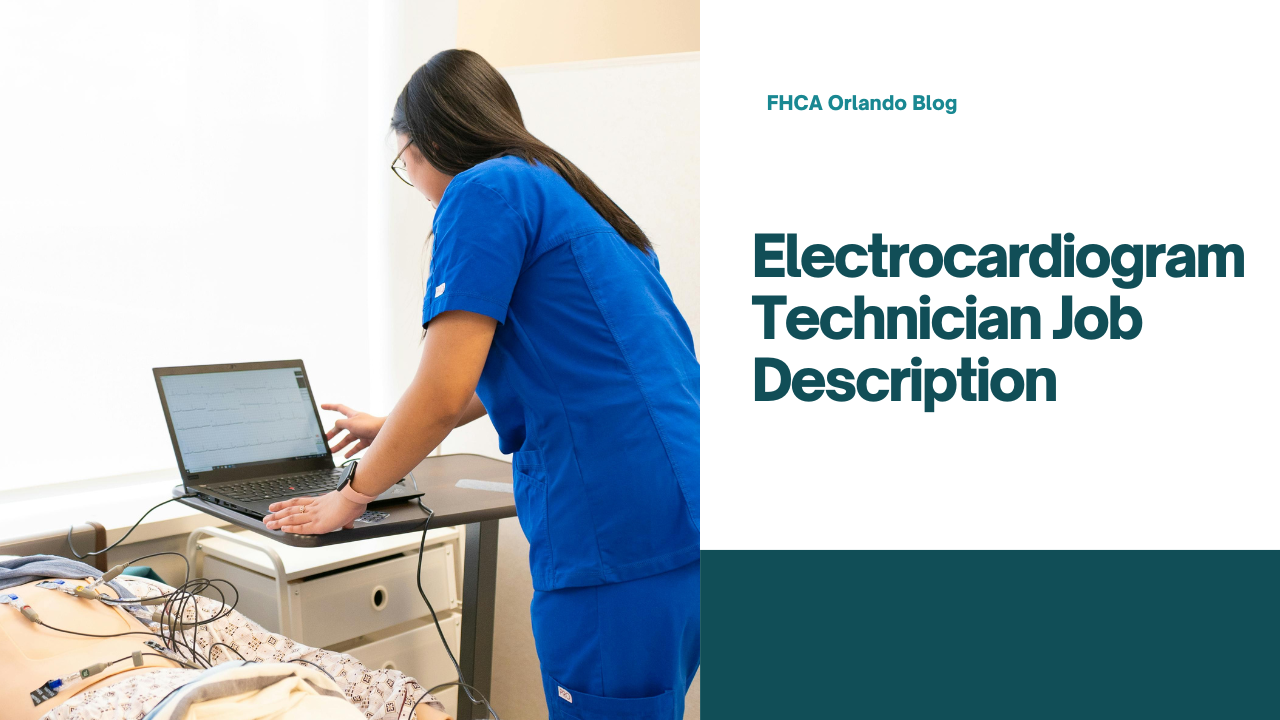
Electrocardiogram (EKG) technicians are critical members of the medical field. They expertly perform diagnostic tests that measure the heart's electrical activity, which is essential for doctors to accurately identify irregularities such as arrhythmias, heart disease, and other cardiovascular conditions.
A typical day for an EKG technician includes helping patients feel comfortable during cardiac testing, performing electrocardiograms and other monitoring procedures, and actively supporting medical teams by gathering precise heart activity data necessary for physician evaluation and diagnosis.
If you are interested in direct patient interaction and a career in healthcare, becoming an EKG technician could be a great choice. This guide explores the essential skills, work environments, and educational path to entering this growing field.
What Is an Electrocardiogram Technician? Role Overview
An EKG technician is a dedicated professional who skillfully balances both the technical and personal aspects of cardiac diagnostics. Serving as a bridge between the patient and the cardiologist, they ensure that patients receive the attention and care they deserve during this important procedure.
Core Duties: What an EKG Technician Does Every Day
One of the key duties of EKG technicians involves patient care and education. They guide patients through the testing process by explaining the procedure and its significance for heart health. They also provide necessary information, answer basic questions, and help to minimize patient anxiety to promote comfort and cooperation during testing.
Another essential responsibility is equipment calibration and maintenance. EKG technicians routinely check and calibrate electrocardiogram machines to ensure proper functioning. Accurate calibration is essential for obtaining reliable readings, maintaining diagnostic quality, and ensuring patient safety throughout the procedure.
Additionally, EKG technicians apply clinical and technical skills during testing. This includes correctly placing electrodes, performing electrocardiograms, and monitoring heart activity during the procedure. They ensure that all readings are clearly recorded and communicated to the appropriate medical staff for further evaluation.
Together, these core duties highlight the balance of technical expertise and patient-centered care that defines the EKG technician role in modern healthcare environments.
What an EKG Technician Does NOT Do (Common Misconceptions)
It's important to understand the tasks that an EKG technician does not perform in their daily routine.
- EKG technicians do not diagnose heart conditions: They can identify irregular readings, but only licensed physicians or qualified healthcare providers can make a diagnosis. Also, EKG technicians don’t prescribe medications, create treatment plans, or provide medical diagnoses.
- Blood draws are not always necessary for EKG technicians: While some healthcare facilities cross-train EKG technicians in phlebotomy, drawing blood is not a requirement for every position. Those interested in specimen collection may also want to consider enrolling in the Phlebotomy Program at Florida Health Care Academy
A Day in the Life of an EKG Technician (Hour-by-Hour)
While schedules can vary by healthcare setting, this example illustrates what a typical workday might look like for an EKG technician.
7:30 AM — Equipment Preparation
The day often begins with checking EKG machines, printers, leads, and supplies. EKG Technicians prepare testing areas and ensure all equipment is sanitized.
8:00 AM — Morning Patient Appointments
The technician greets patients, explains procedures, and performs cardiac testing efficiently while maintaining patient comfort.
10:00 AM — Stress Testing Procedures
EKG Technicians assist with mid-morning stress tests by monitoring patients on treadmills and recording their cardiovascular responses.
12:00 PM — Documentation and Cleaning
Patient charts are updated, digital recordings are uploaded, and equipment is disinfected between appointments.
1:00 PM — Hospital or Clinic Rounds
In hospitals, EKG Technicians may travel between departments to perform bedside EKGs for patients in emergency rooms, recovery units, or intensive care departments.
3:00 PM — Additional Cardiac Monitoring
Afternoon duties may include repeat EKGs, Holter monitor setup, or assisting with follow-up diagnostic procedures.
5:00 PM — End-of-Day Tasks
Before leaving, technicians organize supplies, clean workstations, and prepare testing rooms for the next shift.
Essential Skills for the Electrocardiogram Technician Job
If you are considering a career as an EKG technician, it is important to understand the essential skills needed to excel in this role:
- Communication and patient care: EKG technicians interact with patients throughout the day. Strong communication skills help patients feel more comfortable during testing procedures.
- Attention to Detail: Precision is non-negotiable. EKG Technicians must ensure correct lead placement and monitor readings meticulously, as even minor errors can lead to misdiagnosis or compromised test accuracy.
- Physical Stamina: Technicians often spend long periods standing, walking between departments, and assisting patients during procedures.
- Knowledge of basic anatomy and medical terminology: Having a solid grasp of how the heart's electrical system works and its physiological aspects is really important for spotting arrhythmias and other issues as they happen. Plus, being familiar with medical terminology helps everyone on the healthcare team communicate and report findings clearly and easily.
- Technical Proficiency: In addition to the basics, it's great to be skilled at calibrating EKG machines, troubleshooting software issues, and keeping up with the exciting new developments in cardiac monitoring technologies.
These skills will really set you apart!
Where Do EKG Technicians Work? Settings & Job Titles
As the demand for cardiac specialists continues to rise, EKG technicians find themselves at the heart of diverse healthcare teams. While their roles vary based on experience and employer needs, these professionals are essential in a wide range of clinical environments.
Hospitals remain the primary employers for EKG technicians, offering a fast-paced atmosphere where diagnostic accuracy is critical. In these settings, you will typically find opportunities in:
- Cardiology departments
- Emergency rooms
- Telemetry units
- Intensive care units
As an EKG technician, your career extends beyond conventional hospital environments. Numerous well-paid opportunities are available in clinics, outpatient facilities, and specialized practices, providing various schedules and a wide range of patient interactions. These alternative workplaces allow you to enhance your skills and gain experience in different healthcare settings.
Common Job Titles
Employers commonly list these essential positions under various titles, including:
- EKG Technician
- ECG Technician
- Cardiac Monitor Technician
- Telemetry Technician
- Cardiographic Technician
- Rhythm Analysis Technician
Education, Certification & Licensing Requirements
Educational requirements
To become an EKG technician, you typically need a high school diploma or its equivalent.
Certification programs
These training programs equip you with vital knowledge and skills to conduct electrocardiogram (EKG) tests, which are crucial for assessing the heart's electrical activity. With program lengths ranging from just a few weeks to several months, you will quickly gain expertise in the anatomy and physiology of the heart, the operation of EKG equipment, and the interpretation and recording of EKG results.
Take advantage of opportunities like the EKG Technician Program at Florida Health Care Academy, designed to prepare you for rewarding entry-level positions in Florida's healthcare field. Our programs are concise, fast-paced, and accredited by the Commission for Independent Education, the Florida Board of Nursing, and the National Health Career Association, ensuring you receive quality training that stands out.
EKG Tech vs Cardiovascular Technologist: Job Description Differences
While both roles focus on heart health, their scope of practice, education requirements, and daily responsibilities differ significantly. Understanding these distinctions is key to choosing the right career path in cardiac care.
EKG Technicians primarily perform non-invasive procedures. Their role involves recording the heart's electrical activity from outside the body. This position serves as an excellent entry point into the healthcare field, emphasizing patient preparation and data collection for physician review.
In contrast, Cardiovascular Technologists often specialize in invasive cardiology. They assist doctors during cardiac catheterization, a procedure in which a small tube is inserted into the heart, and they may also perform advanced imaging techniques such as echocardiograms.
Ready to become an EKG Technician? Start with FHCA's EKG Technician Program, enroll now, and become certified in just 4 weeks.